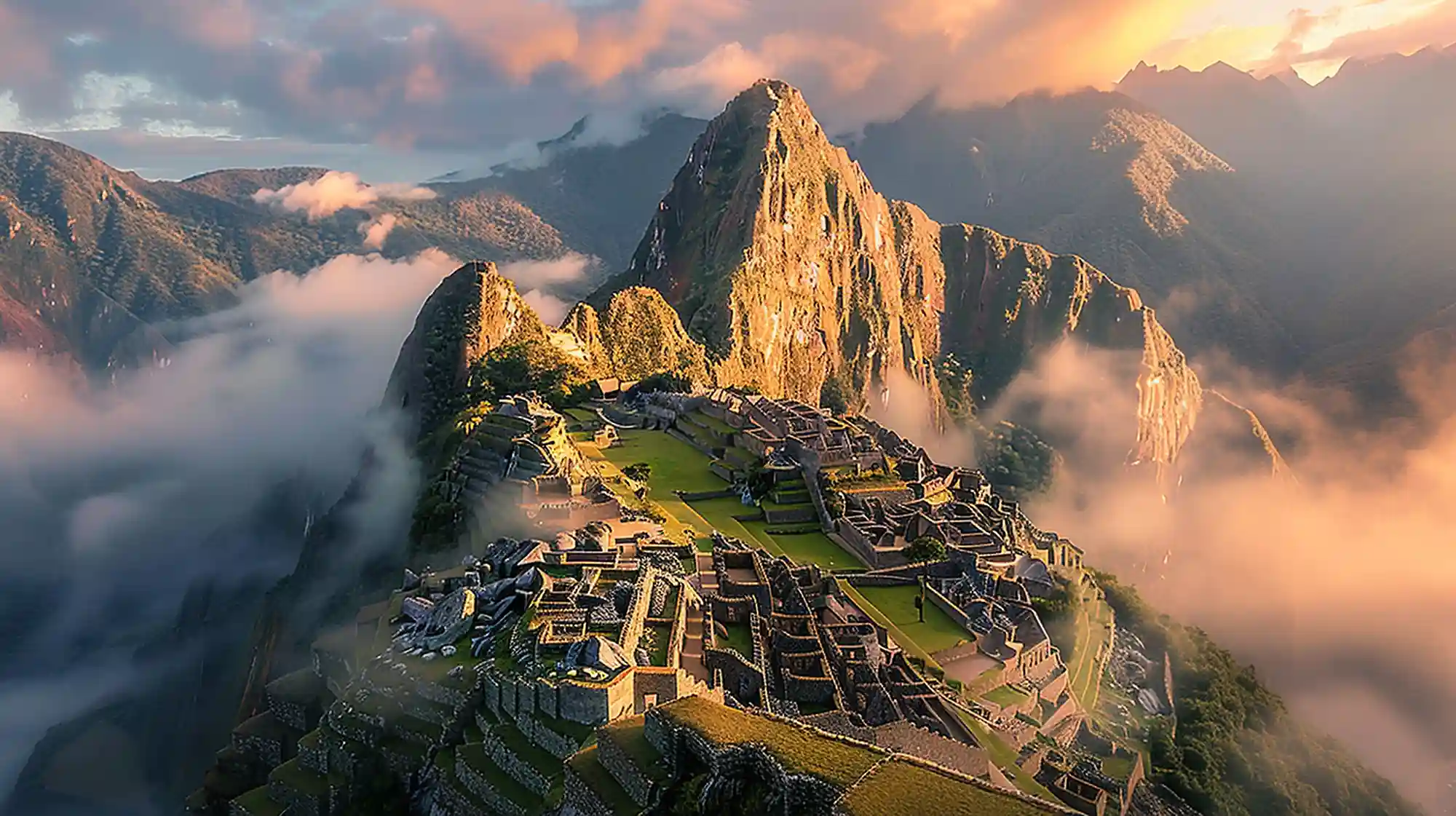
The Inca Trail is one of the most iconic trekking experiences in South America, combining ancient stone pathways, breathtaking Andean landscapes, archaeological treasures, and an unforgettable arrival at Machu Picchu through the historic Sun Gate.
However, travelers planning to hike the Inca Trail in 2027 face an important decision: Should you choose the Short Inca Trail 2 Days or the Classic Inca Trail 4 Days?
Both routes follow authentic sections of the ancient Inca road network and lead to Machu Picchu, but they offer very different experiences in terms of distance, physical difficulty, altitude, accommodation, cost, and cultural exploration.
The Classic Inca Trail delivers a complete multi-day trekking adventure through remote mountain landscapes, while the Short Inca Trail offers a condensed experience for travelers who want to discover the magic of the Inca Trail without spending several days camping in the mountains.
This comprehensive comparison will help you understand the advantages, disadvantages, itineraries, permit requirements, and important differences between these two remarkable journeys.
Short Inca Trail vs. Classic Inca Trail: Quick Comparison
| Features | Short Inca Trail 2 Days | Classic Inca Trail 4 Days |
|---|---|---|
| Duration | 2 days / 1 night | 4 days / 3 nights |
| Hiking distance | Approx. 10–12 km (6–7.5 miles) | Approx. 42–45 km (26–28 miles) |
| Starting point | Km 104 – Chachabamba | Km 82 – Piscacucho |
| Maximum altitude | Approx. 2,720 m (8,924 ft) | 4,215 m (13,829 ft) |
| Difficulty | Moderate | Moderate to challenging |
| Main hiking days | 1 | 4, including the short final approach |
| Accommodation | Hotel in Aguas Calientes | Camping along the trail |
| Sun Gate arrival | Usually afternoon, Day 1 | Usually early morning, Day 4 |
| Main archaeological attractions | Chachabamba, Wiñay Wayna, Inti Punku | Llactapata, Runkurakay, Sayacmarca, Phuyupatamarca, Wiñay Wayna |
| Trekking permits | Required | Required |
| Porters and camping equipment | Usually unnecessary | Required support services |
| Typical physical preparation | 4–8 weeks | 8–12 weeks or more |
| Approximate tour price | US$450–650 | US$700–950 |
| Ideal traveler | Limited time, moderate fitness, hotel preference | Adventure enthusiasts, experienced hikers, camping lovers |
Distances, prices, and preparation periods are approximate. The 2027 permit calendar, trail conditions, and operator prices should be confirmed before booking.
What Is the Short Inca Trail to Machu Picchu?
The Short Inca Trail, commonly known as the 2-Day Inca Trail, is a shorter version of the traditional trekking route to Machu Picchu.
The adventure begins at Kilometer 104 of the railway between Ollantaytambo and Aguas Calientes, near the archaeological site of Chachabamba, approximately 2,100 meters (6,890 feet) above sea level.
From this starting point, hikers follow original Inca pathways through lush cloud forests, stone staircases, and impressive mountain scenery before reaching Wiñay Wayna, one of the most beautiful archaeological complexes along the Inca Trail.
The route continues toward Inti Punku, or the Sun Gate, where travelers enjoy their first panoramic view of Machu Picchu.
Unlike the four-day trek, the Short Inca Trail generally requires only one full day of hiking. Travelers then spend the night in a hotel in Aguas Calientes and return to Machu Picchu the following morning for a guided visit, subject to their assigned tickets and circuits.
Main Highlights of the Short Inca Trail
Hike an authentic section of the historic Inca Trail.
Discover Chachabamba and the impressive terraces of Wiñay Wayna.
Walk through beautiful Andean cloud forest.
Experience the spectacular approach to Machu Picchu through the Sun Gate.
Enjoy hotel accommodation instead of camping.
Complete the adventure with a guided visit to Machu Picchu.
Experience the Inca Trail without crossing extremely high mountain passes.
Who Should Choose the Short Inca Trail?
This route is particularly recommended for first-time hikers, couples, families with active teenagers, and travelers with limited vacation time.
It is also suitable for visitors who prefer comfortable accommodation or want to avoid the greater physical demands of several consecutive days of high-altitude trekking.
However, the Short Inca Trail should not be confused with an easy walk. The route includes sustained uphill sections, irregular stone steps, and several hours of hiking.
What Is the Classic Inca Trail 4 Days?
The Classic Inca Trail is the traditional four-day trekking expedition that follows approximately 42–45 kilometers (26–28 miles) of ancient Inca pathways through the Andes toward Machu Picchu.
The adventure begins at Kilometer 82, near Piscacucho, and crosses a remarkable variety of landscapes, including agricultural valleys, mountain passes, high-altitude grasslands, and subtropical cloud forests.
One of the most challenging sections is the ascent to Warmiwañusca, commonly called Dead Woman’s Pass, located approximately 4,215 meters (13,829 feet) above sea level.
Along the journey, hikers encounter archaeological sites such as Llactapata, Runkurakay, Sayacmarca, Phuyupatamarca, Intipata, and Wiñay Wayna.
After three nights of camping, the expedition culminates with an early morning hike to the Sun Gate, revealing Machu Picchu surrounded by magnificent mountain scenery.
Main Highlights of the Classic Inca Trail
Follow one of the world’s most famous historical trekking routes.
Cross spectacular high-altitude mountain passes.
Discover several archaeological sites inaccessible to most conventional visitors.
Experience camping beneath the Andean mountains.
Enjoy freshly prepared meals during the expedition.
Trek through diverse mountain ecosystems.
Build a sense of adventure and achievement over four consecutive days.
Arrive at Machu Picchu through the historic Sun Gate.
Who Should Choose the Classic Inca Trail?
The four-day trek is ideal for travelers who enjoy outdoor adventures, long-distance hiking, archaeology, nature, and immersive cultural experiences.
It is particularly rewarding for people who want the journey to Machu Picchu to be as memorable as the destination itself.
Although technical climbing skills are not required, a good level of cardiovascular fitness, endurance, and preparation for hiking at altitude are strongly recommended.
Short Inca Trail 2 Days: Detailed Itinerary
The two-day itinerary combines one memorable hiking day with a guided exploration of Machu Picchu the following morning.
Day One: Cusco – Km 104 – Wiñay Wayna – Sun Gate – Aguas Calientes
Your adventure usually begins with an early morning transfer from Cusco to Ollantaytambo, followed by a scenic train journey through the Sacred Valley.
After arriving at Kilometer 104, you cross the official checkpoint and begin walking toward Chachabamba, an archaeological complex surrounded by tropical mountain vegetation.
The trail gradually ascends through the cloud forest, offering beautiful views of the Urubamba River valley.
One of the day’s greatest highlights is Wiñay Wayna, approximately 2,650 meters (8,694 feet) above sea level. This impressive Inca settlement features agricultural terraces, ceremonial structures, and stone staircases beautifully integrated into the mountainside.
From Wiñay Wayna, the trail continues toward Inti Punku, the famous Sun Gate, located at approximately 2,720 meters (8,924 feet).
Here, travelers experience their first breathtaking view of Machu Picchu from the ancient Inca approach.
After reaching the archaeological area, visitors continue according to the access conditions established for their route, then travel by bus to Aguas Calientes for an overnight hotel stay.
Estimated hiking time: 5–7 hours.
Main attractions: Chachabamba, cloud forest, Wiñay Wayna, Sun Gate, and panoramic views of Machu Picchu.
Day Two: Machu Picchu Guided Tour – Return to Cusco
After breakfast at your hotel, you board the shuttle bus to Machu Picchu for your scheduled guided visit.
Your professional guide explains the history, architecture, religious importance, and engineering achievements of the Inca civilization while leading you through the sectors authorized by your entrance ticket.
Following the visit, you return to Aguas Calientes and board your train to Ollantaytambo, where transportation usually continues to Cusco.
Main experience: A guided exploration of Machu Picchu, with time for photographs in the areas permitted by your assigned circuit.
Classic Inca Trail 4 Days: Detailed Itinerary
The four-day route is a more immersive trekking expedition, with mountain landscapes, archaeological discoveries, and overnight camping throughout the journey.
Day One: Cusco – Km 82 – Llactapata – Campsite
The adventure begins with an early departure from Cusco toward Kilometer 82, near the village of Piscacucho.
After completing the necessary entrance procedures, hikers begin walking along the Urubamba River valley.
The first day introduces travelers to the ancient Inca road system and the remarkable archaeological site of Llactapata, surrounded by mountains and agricultural terraces.
The route continues toward the first designated campsite, where the trekking team prepares dinner and camping accommodations.
Estimated hiking time: 5–7 hours.
Difficulty: Moderate.
Highlights: Urubamba Valley, Llactapata, traditional Andean scenery, and the first camping experience.
Day Two: Ascent to Dead Woman’s Pass
The second day is generally the most physically demanding part of the Classic Inca Trail.
After breakfast, hikers begin ascending through changing vegetation toward Warmiwañusca, or Dead Woman’s Pass, the highest point of the trek.
At approximately 4,215 meters (13,829 feet), the pass rewards travelers with extraordinary mountain views and a memorable sense of achievement.
The climb includes steep stone staircases and sections where the reduced oxygen availability makes walking more demanding.
After reaching the pass, hikers descend toward their assigned campsite. The day’s distance and whether another pass is crossed depend on the campsite allocation.
Estimated hiking time: 6–9 hours, depending on the campsite.
Difficulty: Challenging.
Highlights: Dead Woman’s Pass, high-Andean landscapes, mountain valleys, and panoramic viewpoints.
Day Three: Archaeological Sites and Cloud Forest
The third day is one of the most culturally rewarding sections of the journey.
Depending on the previous night’s campsite, hikers cross or continue beyond the Runkurakay Pass area before exploring archaeological attractions such as Sayacmarca and Phuyupatamarca.
The route follows beautifully preserved Inca stone pathways through misty forests, mountain ridges, and impressive ancient staircases.
As the trail approaches Machu Picchu, the landscape becomes increasingly lush, with orchids, ferns, and other cloud forest vegetation.
Depending on the authorized campsite and schedule, hikers may also visit Intipata and Wiñay Wayna before resting for the final night.
Estimated hiking time: 5–9 hours.
Difficulty: Moderate to challenging.
Highlights: Runkurakay, Sayacmarca, Phuyupatamarca, cloud forest, and archaeological terraces.
Day Four: Sun Gate – Machu Picchu – Return to Cusco
The final day begins early as hikers prepare to approach Machu Picchu.
Following the authorized trail and checkpoint schedule, the group walks toward Inti Punku, the Sun Gate, where the iconic Inca citadel gradually appears between the mountains.
This is one of the most memorable moments of the entire adventure.
After arriving at Machu Picchu, travelers enjoy a guided exploration of the sectors included in their assigned entrance circuit.
The journey concludes with a shuttle bus to Aguas Calientes, followed by a train journey and ground transportation back to Cusco.
Estimated hiking time: Approximately 2–3 hours before and during the approach, plus the guided archaeological visit.
Difficulty: Easy to moderate compared with previous days.
Highlights: Sun Gate, Machu Picchu, panoramic mountain views, and the completion of the historic Inca Trail.
Important: Classic Inca Trail campsite assignments are regulated. Exact daily distances, archaeological stops, and hiking times can vary substantially between groups.
Which Inca Trail Is More Difficult?
Physical difficulty is one of the most important factors when choosing between these routes.
The Short Inca Trail requires a moderate level of physical fitness, while the Classic Inca Trail demands greater endurance, stronger legs, and the ability to hike on consecutive days.
Physical Difficulty Comparison
| Physical Factor | Short Inca Trail | Classic Inca Trail |
|---|---|---|
| Overall difficulty | Moderate | Moderate to challenging |
| Longest hiking day | Approx. 5–7 hours | Approx. 6–9 hours |
| Highest elevation | 2,720 m | 4,215 m |
| High-altitude exposure | Relatively limited | Significant |
| Steep stone staircases | Yes | Extensive |
| Consecutive hiking days | One main hiking day | Four trekking days |
| Camping required | No | Yes |
| Recovery between hikes | Hotel accommodation | Campsites |
| Recommended fitness | Moderate | Good to very good |
Is the Short Inca Trail Suitable for Beginners?
Yes, many beginners with reasonable physical fitness can complete the Short Inca Trail successfully.
However, travelers should be comfortable walking uphill for several hours and navigating uneven stone steps.
Regular walking, stair climbing, and moderate hiking before arriving in Peru can make the experience significantly more enjoyable.
Is the Classic Inca Trail Suitable for Beginners?
It can be, but preparation is important.
A beginner who exercises regularly and completes several progressively longer training hikes may be capable of finishing the four-day route.
Travelers who rarely exercise or have difficulty climbing stairs should consider a structured fitness preparation program before attempting this expedition.
Neither route requires technical mountaineering experience, but both involve terrain where balance, endurance, and appropriate footwear are essential.
Altitude Comparison: Which Inca Trail Is Better for Acclimatization?
Altitude is a major difference between these two routes.
The Short Inca Trail generally remains below 2,750 meters (9,022 feet), while the Classic Inca Trail climbs above 4,200 meters (13,780 feet).
Important elevations
| Location | Elevation |
|---|---|
| Cusco | 3,399 m / 11,152 ft |
| Short Inca Trail starting point | 2,100 m / 6,890 ft |
| Wiñay Wayna | 2,650 m / 8,694 ft |
| Sun Gate | 2,720 m / 8,924 ft |
| Classic Inca Trail starting point | 2,700 m / 8,858 ft |
| Dead Woman’s Pass | 4,215 m / 13,829 ft |
| Runkurakay Pass | Approx. 4,000 m / 13,123 ft |
| Machu Picchu | 2,430 m / 7,972 ft |
How Many Days Should You Acclimatize?
For the Classic Inca Trail, spending at least two or three days adjusting to the elevation around Cusco or the Sacred Valley is a sensible planning approach.
For the Short Inca Trail, one or two days of adjustment may be helpful, particularly if your itinerary also includes time at Cusco’s higher elevation.
Acclimatization needs differ between individuals. Arriving early does not eliminate the risk of altitude sickness, and good physical fitness does not guarantee immunity.
Travelers with relevant medical conditions should consult a qualified health professional before attempting high-altitude trekking.
Archaeological Attractions: Which Route Offers More Inca History?
Both trekking experiences allow travelers to follow authentic Inca roads, but the Classic Inca Trail provides access to a greater variety of archaeological sites.
| Archaeological Site | Short Inca Trail | Classic Inca Trail |
|---|---|---|
| Chachabamba | Yes | No |
| Llactapata | No | Yes |
| Runkurakay | No | Yes |
| Sayacmarca | No | Yes |
| Phuyupatamarca | No | Yes |
| Intipata | No | Usually |
| Wiñay Wayna | Yes | Yes, subject to itinerary |
| Inti Punku (Sun Gate) | Yes | Yes |
| Machu Picchu | Yes | Yes |
Why Is Wiñay Wayna So Special?
Wiñay Wayna, which means Forever Young in Quechua, is among the most remarkable archaeological complexes along the Inca Trail.
Its agricultural terraces follow the contours of the mountainside, while its stone buildings and ceremonial water features demonstrate the architectural sophistication of the Incas.
The site is an important highlight of both routes, although the exact opportunities for exploration depend on the itinerary and access regulations.
Which Route Is Better for History Lovers?
The Classic Inca Trail is the stronger choice for travelers who want a broader archaeological experience.
Its longer itinerary allows visitors to appreciate how the Inca road network connected settlements, ceremonial complexes, agricultural areas, and mountain environments.
The Short Inca Trail offers a concentrated cultural experience centered on Chachabamba, Wiñay Wayna, and the historic approach to Machu Picchu.
Camping vs. Hotel Accommodation: Which Experience Is More Comfortable?
Accommodation represents another major difference.
Classic Inca Trail: Three Nights of Camping
The Classic Inca Trail normally includes three nights at designated campsites.
A well-organized trekking service typically provides sleeping tents, dining equipment, prepared meals, and support staff.
Porters transport communal equipment and, depending on the package, an agreed allowance of personal belongings.
Camping provides an immersive connection with the surrounding natural environment, but visitors should be prepared for cold nights, basic sanitary facilities, and limited opportunities to shower.
Short Inca Trail: One Night in a Hotel
The Short Inca Trail generally includes one night in Aguas Calientes.
Travelers can enjoy a comfortable bed, private bathroom where provided, and access to restaurants and other town services.
This arrangement is particularly attractive for visitors who want to combine authentic trekking with greater comfort.
Accommodation Comparison
| Feature | Short Inca Trail | Classic Inca Trail |
|---|---|---|
| Sleeping arrangement | Hotel room | Camping tent |
| Nights | 1 | 3 |
| Hot showers | Usually available | Generally unavailable at camps |
| Private bathroom | Depends on hotel | Usually shared facilities |
| Meals | Restaurant or packed lunch | Camp meals prepared by trekking staff |
| Equipment transport | Usually carried by traveler | Porters support the expedition |
| Comfort level | Higher | Basic to comfortable camping |
| Immersion in nature | Moderate | Extensive |
How Much Does the Inca Trail Cost in 2027?
Tour prices vary depending on the operator, group size, accommodation standards, included equipment, transportation, and guiding services.
The following estimates reflect indicative commercial price ranges for planning purposes. They are not confirmed 2027 quotations.
| Service | Short Inca Trail 2 Days | Classic Inca Trail 4 Days |
|---|---|---|
| Budget group tour | US$450–550 | US$700–800 |
| Standard group tour | US$550–650 | US$800–950 |
| Premium or private service | US$700+ | US$1,000+ |
| Accommodation | Hotel | Campsite |
| Main transportation | Train and bus | Ground transportation, train and bus |
| Guided service | Included in typical packages | Included in typical packages |
| Meals | Limited, varies by package | Multiple meals prepared on trek |
| Porter service | Generally not needed | Varies by package |
Why Is the Classic Inca Trail More Expensive?
The four-day expedition requires additional logistical support, including transportation of equipment, camping supplies, food, cooking services, and porter teams.
The cost also reflects the longer duration, regulated permits, and staffing necessary to operate a responsible trekking expedition.
When comparing prices, examine what is included rather than choosing the lowest advertised rate.
A lower-priced package may exclude sleeping bags, trekking poles, personal porter allowances, certain meals, or other services that contribute to a comfortable experience.
Inca Trail Permits for 2027: Availability and Booking Requirements
Both the Short Inca Trail and Classic Inca Trail operate under a regulated permit system designed to protect the archaeological heritage and natural environment of the Historic Sanctuary of Machu Picchu.
The Ministry of Culture controls access through designated routes, daily visitor limits, and authorized tourism operators.
How Many Inca Trail Permits Are Available?
Based on the 2026 regulations, the main permit allocations included:
| Permit Information | Short Inca Trail | Classic Inca Trail |
|---|---|---|
| Daily allocation | 250 spaces | 500 spaces |
| Are support staff included? | Subject to route regulations | Yes |
| Actual tourist availability | Up to the authorized visitor quota | Substantially fewer than 500 |
| Advance reservation | Required | Required |
| Independent hiking | Not permitted | Not permitted |
| Authorized operator | Required | Required |
For the Classic Inca Trail, the 500-person daily allocation includes guides, cooks, porters, and other authorized personnel. Consequently, only a portion of those spaces are available to tourists.
The Ministry of Culture confirmed these quotas for its 2026 reservation process. Final allocations for 2027 remain subject to official confirmation.
How Early Should You Book the Inca Trail for 2027?
Because permits are limited, travelers should plan well ahead, especially during the dry season.
| Travel Season | Short Inca Trail | Classic Inca Trail |
|---|---|---|
| March–April | 1–3 months ahead | 3–5 months ahead |
| May–August | 2–4 months ahead | 4–6 months ahead |
| September–October | 1–3 months ahead | 3–5 months ahead |
| November–January | 1–2 months ahead | 2–4 months ahead |
| February | Normally closed | Normally closed |
These are recommended booking lead times, not official minimum requirements or guarantees of availability.
The Peruvian government began its 2026 Inca Trail booking process on November 17, 2025. However, travelers should not assume the same release date for 2027 until the authorities publish the official schedule.
Can You Change Your Inca Trail Date After Booking?
Inca Trail permits are issued using the traveler’s identification information and a specific departure date.
Date changes, name substitutions, cancellations, and refunds are generally highly restricted after permits are issued.
Before paying, verify your passport details, departure date, selected route, and the cancellation conditions of your travel agency.
Can You Hike the Inca Trail Without a Guide?
No. Independent trekking is not permitted on these regulated routes.
Visitors must arrange their adventure through an authorized trekking operator and follow the applicable entrance and conservation regulations.
Best Time of Year to Hike the Inca Trail in 2027
The Andean climate strongly influences the trekking experience.
Dry Season: May to September
This is generally considered the best season for both Inca Trail routes.
Travelers can expect more stable weather, reduced rainfall, and often clearer mountain views.
However, nights can be cold, especially at higher elevations along the Classic Inca Trail.
Demand is also higher, making advance reservations particularly important.
Rainy Season: November to March
The rainy season transforms the landscape into a lush, green environment.
Cloud forests appear especially vibrant, but trails may become wet and slippery, while mountain views can be obscured by mist.
The Classic Inca Trail can be more physically demanding in wet conditions because of its steep stone staircases and extended exposure to the elements.
Is the Inca Trail Closed in February?
Both routes have traditionally closed throughout February for conservation and maintenance.
In 2026, the Ministry of Culture and SERNANP confirmed the closure and subsequent reopening of the Inca Trail network on March 1.
Travelers planning a February 2027 visit should anticipate a similar seasonal closure unless an official announcement states otherwise.
Machu Picchu itself generally remains open during February, so visiting the archaeological site by train may still be possible.
Which Inca Trail Offers the Best Arrival at Machu Picchu?
One of the most emotional moments of either trek is reaching Inti Punku, the Sun Gate.
Historically, this entrance formed part of the Inca road system leading toward Machu Picchu.
Both trekking routes provide an opportunity to experience this extraordinary approach, but the time of arrival differs.
Short Inca Trail: Afternoon Views of Machu Picchu
Travelers typically reach the Sun Gate during the afternoon on the first day.
Depending on the weather, afternoon light can illuminate the surrounding peaks and archaeological terraces, creating excellent photographic opportunities.
The following morning is normally dedicated to a guided tour of Machu Picchu.
This arrangement can provide two different perspectives of the citadel across two days, although the available viewpoints depend on the purchased entrance tickets.
Classic Inca Trail: Early Morning Arrival
Four-day trekkers typically approach the Sun Gate early on the final morning.
The experience of walking toward Machu Picchu after several days in the mountains can create an extraordinary sense of accomplishment.
However, arriving early does not guarantee a sunrise view. Cloud cover, weather, checkpoint arrangements, and trail schedules all influence visibility and timing.
Which experience is better?
For travelers seeking the strongest sense of achievement and a dramatic conclusion to a multi-day expedition, the Classic Inca Trail has the advantage.
For visitors who want to experience the historic Sun Gate approach without the demands of a four-day trek, the Short Inca Trail is an excellent choice.
Important Machu Picchu Circuit Rules for Inca Trail Hikers
Travelers should understand that an Inca Trail permit does not automatically provide unrestricted access to every archaeological sector of Machu Picchu.
For the 2026 booking arrangements, the Ministry of Culture linked Inca Trail entrance tickets to Machu Picchu Circuit 3-B.del Estado Peruano
The exact visitor route and authorized viewpoints depend on the permit and regulations in effect for the travel date.
If visiting the classic photographic viewpoint or following a particular archaeological circuit is essential to your experience, discuss this with your operator before booking.
You may need an additional entrance ticket, subject to availability and the regulations applicable in 2027.
Advantages and Disadvantages of Each Inca Trail
Understanding the trade-offs makes it easier to choose the right experience.
Short Inca Trail: Advantages
Requires only two days of your Peru itinerary.
Involves less cumulative physical effort.
Avoids the highest mountain passes.
Includes a hotel stay rather than camping.
Provides access to Wiñay Wayna and the Sun Gate.
Generally costs less than the four-day trek.
Works well for travelers combining several destinations in Peru.
Short Inca Trail: Disadvantages
Covers a shorter section of the ancient Inca road system.
Does not visit several major archaeological sites along the Classic route.
Offers less time immersed in remote Andean landscapes.
Still requires advance permits and a professional guide.
Involves a demanding hiking day despite its shorter duration.
Classic Inca Trail: Advantages
Offers a complete multi-day trekking adventure.
Crosses impressive mountain passes and diverse ecosystems.
Includes several important archaeological complexes.
Provides a rewarding sense of physical achievement.
Features three nights of camping in the Andes.
Creates opportunities to appreciate the landscape, Inca engineering, and history in greater depth.
Classic Inca Trail: Disadvantages
Requires more vacation time.
Demands greater endurance and altitude preparation.
Costs more than the shorter route.
Involves basic camping conditions and potentially cold nights.
Popular departure dates can sell out months in advance.
May be unsuitable for travelers with certain mobility limitations or medical conditions.
Which Inca Trail Is Better for Different Types of Travelers?
There is no single best option for everyone. The most appropriate route depends on your fitness level, interests, travel schedule, and preferred comfort.
| Traveler Profile | Recommended Route | Main Reason |
|---|---|---|
| First-time hikers | Short Inca Trail | Shorter duration and lower maximum altitude |
| Experienced trekkers | Classic Inca Trail | Greater physical challenge |
| Couples seeking comfort | Short Inca Trail | Overnight hotel accommodation |
| Adventure-focused couples | Classic Inca Trail | Immersive mountain expedition |
| Active families with teenagers | Short Inca Trail | More manageable schedule |
| Photography enthusiasts | Both | Different landscapes and lighting |
| Archaeology enthusiasts | Classic Inca Trail | More archaeological sites |
| Travelers with only 2–3 days | Short Inca Trail | Fits into a shorter itinerary |
| Travelers with 4–5 days available | Classic Inca Trail | Full historic route |
| Camping enthusiasts | Classic Inca Trail | Multi-night outdoor experience |
| Travelers concerned about high altitude | Short Inca Trail | Lower elevation profile |
| Visitors seeking the lowest overall cost | Usually Short Inca Trail | Fewer days and less logistical support |
What to Pack for the Short and Classic Inca Trail
Both trekking experiences require appropriate clothing, comfortable footwear, and protection from rapidly changing mountain weather.
Essential Equipment for Both Routes
Original passport matching your reservation.
Comfortable hiking boots or trail shoes with reliable traction.
Lightweight, breathable hiking clothing.
Waterproof jacket or rain poncho.
Warm fleece or insulating layer.
Sun hat and sunglasses.
Sunscreen and insect repellent.
Refillable water bottle or hydration system.
Personal medication and basic first-aid supplies.
Trekking poles with protective rubber tips, where permitted.
Small backpack for daily essentials.
Additional Equipment for the Classic Inca Trail
The four-day trek requires additional overnight equipment, which may be included in your tour package or offered as an optional rental.
Typical items include:
Sleeping bag suitable for cold mountain temperatures.
Sleeping pad or inflatable mattress.
Thermal clothing and extra socks.
Headlamp with spare batteries.
Personal hygiene products.
Lightweight camp footwear.
Waterproof bags for personal belongings.
Duffel bag for belongings transported by porters, if included.
Ask your operator about luggage weight limits, rental equipment, and camping standards before departure.
How to Prepare Physically for the Inca Trail
Good preparation can significantly improve your enjoyment of either trek.
Training for the Short Inca Trail
Begin approximately four to eight weeks before your departure, depending on your current fitness level.
Focus on regular walking, moderate uphill hikes, and climbing stairs.
Try completing several hikes lasting three to five hours while carrying a small backpack.
Training for the Classic Inca Trail
A preparation period of eight to twelve weeks or longer is recommended for many travelers.
Include progressively longer walks, uphill hiking, cardiovascular training, and exercises that strengthen your legs and core.
Practice hiking on consecutive days if possible, as this helps prepare your muscles for the cumulative demands of the four-day route.
Remember that training improves endurance but does not replace proper altitude acclimatization.
Frequently Asked Questions About the Inca Trail in 2027
Is the Short Inca Trail Worth It?
Yes. The Short Inca Trail offers an authentic hiking experience along original Inca pathways, including Wiñay Wayna and the Sun Gate, without requiring a multi-day camping expedition.
It is particularly rewarding for travelers who want to combine history, scenery, and moderate adventure.
Is the Classic Inca Trail Better Than the Short Inca Trail?
The Classic Inca Trail offers a more extensive adventure, with additional archaeological sites, mountain passes, and cultural immersion.
However, the Short Inca Trail may be the better choice for visitors with limited time or those who prefer a less demanding itinerary.
Can Beginners Complete the Four-Day Inca Trail?
Yes, adequately prepared beginners can complete the trek. Nevertheless, the route requires good endurance, several days of hiking, and the ability to manage steep ascents and descents.
Which Inca Trail Has Better Views?
The Classic Inca Trail offers greater landscape diversity, including high mountain passes, valleys, and cloud forests.
The Short Inca Trail concentrates on lush mountain scenery and the dramatic final approach to Machu Picchu.
Both provide beautiful photographic opportunities.
Can Children Hike the Inca Trail?
Some operators accept children on both routes, subject to their policies and applicable regulations.
The Short Inca Trail is generally more suitable for active older children and teenagers because it avoids the longer expedition and high mountain passes.
Parents should consider each child’s stamina, hiking experience, and comfort on uneven terrain.
Can Older Adults Complete the Inca Trail?
Age alone does not determine whether someone can complete either trek.
Physical condition, mobility, cardiovascular health, and prior hiking experience are more important factors.
Many active older travelers may find the Short Inca Trail more manageable, while experienced hikers may enjoy the four-day expedition.
Is the Inca Trail Dangerous?
Both routes are established trekking itineraries, but they involve natural risks such as altitude sickness, slips, falls, changing weather, and physical exhaustion.
Choosing an authorized operator, preparing physically, using proper equipment, and following your guide’s instructions can reduce those risks.
Are There Toilets and Showers on the Inca Trail?
Facilities are limited along the routes.
The Classic Inca Trail uses designated campsites with basic sanitary infrastructure, while the Short Inca Trail normally includes a hotel in Aguas Calientes with conventional bathroom facilities.
Facilities and services depend on campsite conditions and the chosen accommodation.
Can I Visit Huayna Picchu After Completing the Inca Trail?
It may be possible with a separately arranged ticket and sufficient time, depending on official access regulations, schedules, and physical condition.
Huayna Picchu is not automatically included in the standard Inca Trail experience.
What Happens if Classic Inca Trail Permits Are Sold Out?
You can consider the Short Inca Trail if permits remain available.
Other alternatives include the Salkantay Trek, Lares Trek, or a Machu Picchu trip by train.
These experiences offer different landscapes and levels of physical challenge, although they do not follow the same complete historical route as the Classic Inca Trail.
Final Verdict: Short Inca Trail or Classic Inca Trail for 2027?
Choose the Short Inca Trail 2 Days if…
You want to experience authentic Inca pathways, visit Wiñay Wayna, and arrive at Machu Picchu through the Sun Gate without spending several nights camping. This is the ideal choice for travelers prioritizing comfort, limited vacation time, and a more manageable physical challenge.
Choose the Classic Inca Trail 4 Days if…
You dream of a complete trekking expedition across the Andes, visiting remote archaeological sites, crossing high mountain passes, and discovering Machu Picchu after several unforgettable days of hiking and camping. This is the stronger choice for travelers seeking a deeper adventure and a greater physical challenge.
Both experiences offer something truly special: the opportunity to approach Machu Picchu on foot, following pathways built by the Inca civilization centuries ago.
For most travelers seeking a combination of adventure and comfort, the Short Inca Trail is an excellent option. For those who want the complete historic trekking experience, the Classic Inca Trail remains one of South America’s most rewarding adventures.
Whichever route you choose, planning ahead, securing the appropriate permits, and traveling with a reputable local trekking operator will help make your 2027 Inca Trail adventure safe, organized, and unforgettable.